Nissan Brake Repair in Wellesley, MA
Around Here, Your Brakes Work Harder Than Most People Realize.
Stop-and-go traffic on Route 9 through Wellesley and Newton. The long downhill stretches heading into the Charles River basin. Road salt eating at rotors and calipers from November through April. Spring potholes that put sudden shock loads through brake components that were already under seasonal stress. Driving in and around Greater Boston is genuinely demanding on a brake system, and the consequences of deferred brake maintenance here are more serious than they would be almost anywhere with a milder climate and lighter traffic. At Independence Nissan of Wellesley, our service team handles brake repairs of every scope — from a straightforward pad replacement to a full brake system overhaul — with genuine Nissan parts and technicians who know exactly what your vehicle calls for.
What New England Driving Does to a Brake System Over Time
Brake wear is universal — every vehicle deals with it eventually, regardless of where it is driven. What varies is the rate and the nature of that wear, and Massachusetts puts together a combination of conditions that accelerates brake deterioration in ways that catch a lot of drivers off guard.
Road salt is one of the biggest contributors. The salt and brine applied to Massachusetts roads from the first winter storm through the last freeze-thaw cycle of March or April does not just affect the undercarriage in a general sense — it targets brake components specifically. Rotors develop rust surface coats rapidly when they are not in use, and while light surface rust is normal and typically clears itself during driving, rotors exposed to heavy salt contamination season after season develop pitting and corrosion that permanent rust removal cannot fix. Calipers, hardware, and brake lines are similarly vulnerable to salt-driven deterioration over time.
Traffic patterns around the greater Boston area add a separate layer of wear. Repeated short stops in heavy commuter traffic generate more brake application cycles per mile than highway driving does by a wide margin. Every time you slow from 40 to a standstill on the Pike or sit through the light cycle at a busy Wellesley intersection, the pads are working. Accumulated heat from repeated stops also plays a role — brake fade becomes a real factor on high-traffic days, and pads that run consistently hot wear faster than those in lighter-duty use.
- Road salt and brine accelerate rotor corrosion and caliper deterioration through every winter season
- Stop-and-go commuter traffic creates far more brake application cycles per mile than highway driving
- Spring pothole impacts put sudden stress on calipers, hardware, and brake line connections
- Hills throughout Wellesley, Newton, and Needham put extra load on brakes during downhill driving
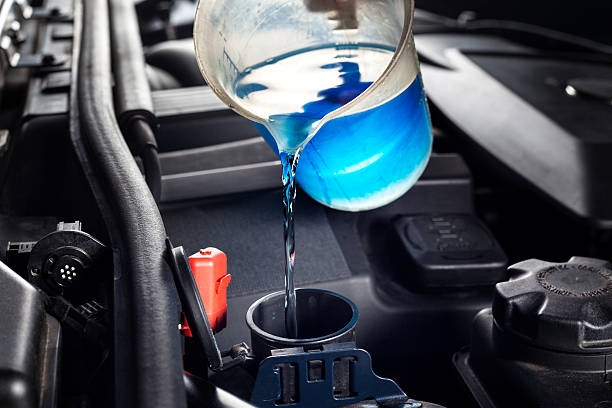
- Brake fluid absorbs moisture over time, lowering its boiling point and reducing braking effectiveness in high-heat situations
None of this means your brakes are in constant danger of failing — well-maintained brakes are reliable brakes. What it does mean is that the standard mileage intervals printed in a manufacturer's guide were not written with Massachusetts winters and Route 9 rush hours in mind. Staying on top of brake inspections more proactively here than the baseline schedule suggests is simply the practical approach.
What Your Brakes Are Trying to Tell You
Brake systems do not usually fail without warning. What they do is communicate through sounds, sensations, and behaviors that are easy to dismiss or explain away — right up until they stop being ignorable. Knowing what those signals actually mean is the difference between catching a brake problem while it is a pad replacement and waiting until it becomes a rotor replacement or worse.
Squealing is the most common early signal and the one most drivers hear first. Brake pads are manufactured with a built-in wear indicator — a small metal tab that contacts the rotor and produces a high-pitched squeal when the pad material has worn to a point where replacement should be scheduled. It is not an emergency at that moment, but it is a direct message that the window for straightforward service is open and will not stay that way indefinitely.
Grinding is a different situation entirely. When a grinding sound occurs during braking, the pad material has usually worn through completely and metal is contacting metal. At that stage, rotor damage is likely either already happening or imminent, and what might have been a pad-only job is now a pad and rotor job. The cost difference is significant, and the only thing that changed was time.
- Squealing or high-pitched noise during braking indicates worn pads approaching the replacement threshold
- Grinding during braking typically means pad material is gone and metal-to-metal contact has begun
- The vehicle pulls to one side when braking, which can indicate an uneven pad, a sticking caliper, or a brake line issue
- The brake pedal pulsates or vibrates underfoot, which is often a sign of warped rotors
- Stopping distances feel longer than they used to, especially in wet conditions
- The brake warning light is illuminated on the dashboard
- A burning smell after driving in heavy stop-and-go traffic points to overheated pads or a dragging caliper
Any of these symptoms is worth acting on promptly. Brakes are not a maintenance item where waiting to see if the problem resolves itself is ever the right call. If something about your braking feels different from how it normally does, schedule an inspection and let us take a look before the situation changes.
Brake Services We Offer
From a first inspection to a full brake system repair, every job gets the same thorough approach and genuine Nissan parts at Independence Nissan of Wellesley.
Brake Pad Replacement
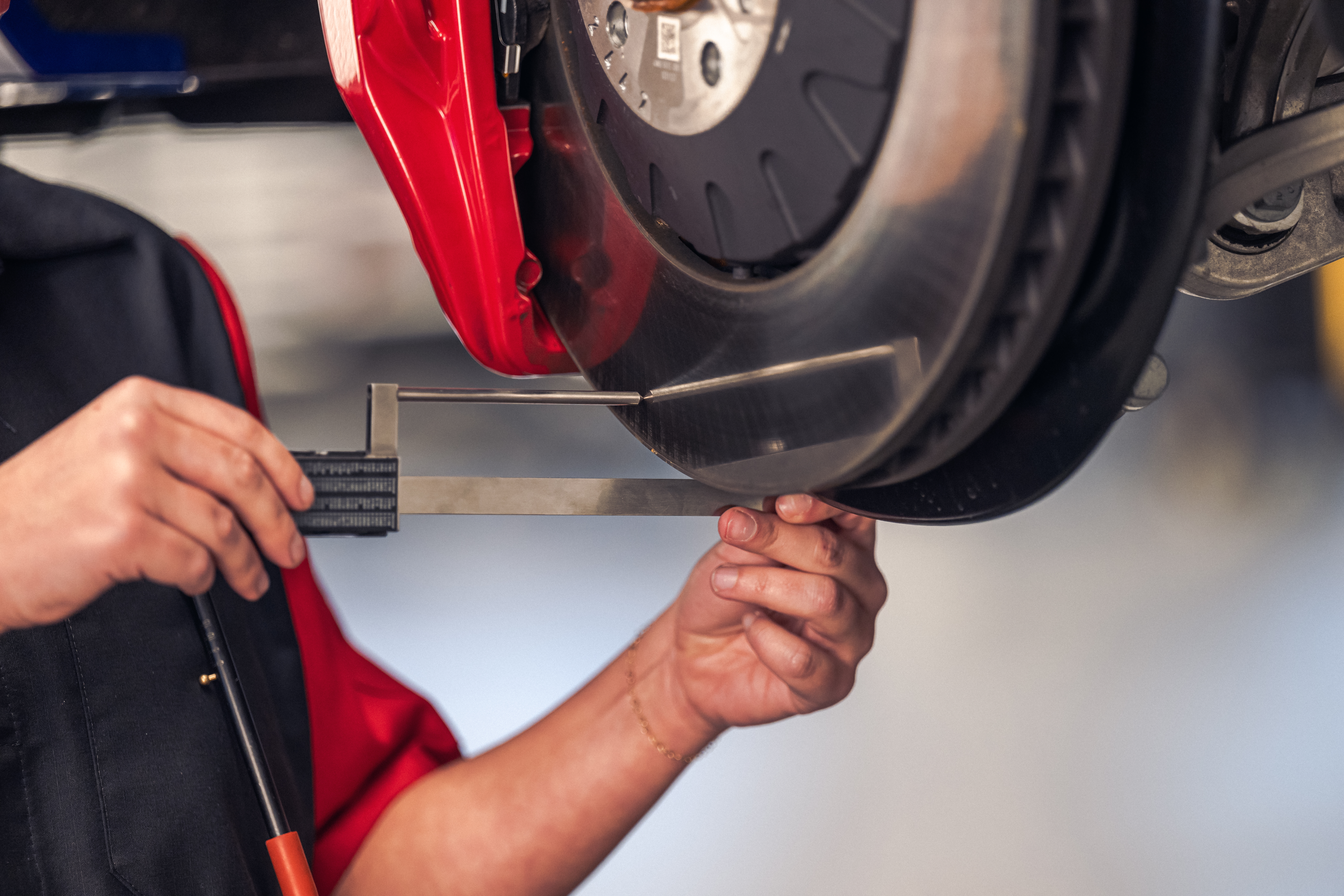
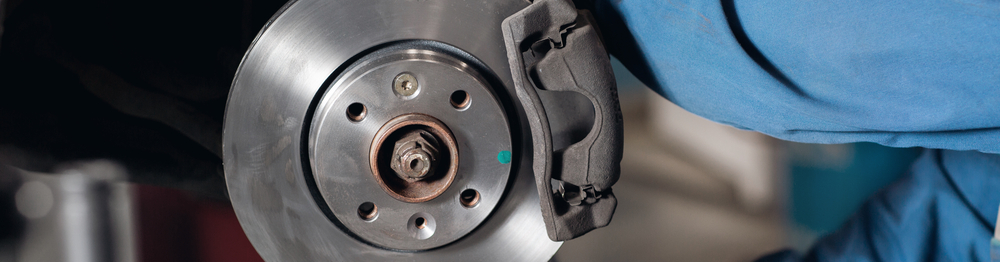
We measure pad thickness on all four corners, assess rotor condition, and replace pads that have worn to or past the service threshold with genuine Nissan OEM parts. Hardware and contact points are cleaned and lubricated as part of every pad replacement so the new pads bed in correctly and wear evenly from the start.
Rotor Resurfacing and Replacement
We measure rotor thickness against minimum specifications and inspect for warping, scoring, and corrosion damage. Rotors that are within spec and surface-repairable can be resurfaced. Those that have worn beyond safe limits or sustained corrosion damage from Massachusetts winters are replaced with OEM-spec rotors built for your exact vehicle.
Full Brake System Inspection
We inspect the complete brake system from front to rear — pads, rotors, calipers, brake lines, hardware, and brake fluid condition. You get a detailed report on what we found, what needs attention now, and what can be monitored at the next service visit. No pressure, just an honest picture of where your brakes stand.
Brake Work Done Right the First Time, With the Right Parts
Brake service is one of the areas where the difference between doing it right and doing it cheap shows up quickly and directly. Pads that are not the correct compound for your vehicle can wear unevenly, run hotter than they should, or produce noise that never goes away. Rotors that do not meet the dimensional specifications for your Nissan will not provide the contact surface the pads were designed to work against. The brake system is only as reliable as the sum of its parts, and cutting corners on those parts is not a risk worth taking.
Our technicians work on Nissans every day, which means they are familiar with the brake system layouts, torque specifications, and service procedures specific to your model. That familiarity matters — it is the difference between a brake job that performs correctly for years and one that comes back with squealing, vibration, or uneven wear six months later because something was not done to spec.
- Nissan factory-trained technicians with hands-on experience specific to your vehicle's brake system
- Genuine Nissan OEM pads and rotors engineered to the correct specifications for your model and trim
- Complete brake system inspection included with every brake service appointment
- Brake fluid condition check included — a detail that often gets overlooked at non-dealership shops
- Written estimate and clear explanation before any work is authorized
Wellesley and the surrounding communities are not easy driving. The commuter traffic, the hills, the winters, and the road conditions all put real demands on a brake system throughout the year. Having brake work handled by technicians who know your vehicle and use the parts it was designed for is the most straightforward way to make sure the job holds up as long as it should.
If it has been more than a year since your last brake inspection, or if anything about your braking has felt different recently, come see us. The inspection itself is quick and gives you answers rather than guesses.
Visit Independence Nissan of Wellesley
Our service center is conveniently located for drivers coming in from Newton, Needham, Natick, and communities throughout MetroWest and Greater Boston. Brake pad replacements and inspections are often completed the same day, and we will give you a realistic time estimate at check-in so you can plan around your schedule.
When you arrive, here is what you can count on:
- A service advisor who takes the time to understand what you are experiencing before the vehicle goes in
- A comfortable waiting area with Wi-Fi available for customers who choose to stay on-site
- Loaner vehicles and local shuttle service for more involved repairs, subject to availability
Find Us on the Map
Brake Service for Nissan Drivers Across the Region
Drivers from throughout Greater Boston and MetroWest bring their Nissans to Independence Nissan of Wellesley when they want brake work done correctly, with the right parts, and at a fair price. We are proud to serve the following communities and everyone in between:
- Newton, MA
- Needham, MA
- Natick, MA
- Weston, MA
- Wayland, MA
- Framingham, MA
- Waltham, MA
- Dedham, MA
- Brookline, MA
- Wellesley Hills, MA
Wherever you are driving in from, the trip is worth it for service you can count on. We appreciate every customer who puts their trust in our team.
Brake Repair Questions from Our Customers
Straightforward answers to what Nissan drivers in the Wellesley area ask us most about brake service.
Q: How often should brakes be inspected in Massachusetts?
Q: My brakes squeal only in the morning. Should I be concerned?
Q: Do I need to replace rotors every time I replace brake pads?
Q: What causes a brake pedal to pulsate or vibrate?
Q: How does brake fluid factor into brake performance?
Q: Is it safe to drive if my brake warning light is on?
Not sure what your brakes are telling you? Give us a call and describe what you are hearing or feeling.
We can usually give you a good idea of what is going on before you even come in.
Do Not Put Off Brake Service. Book Your Appointment Today.
Brakes are the one system on your vehicle where waiting to see if a problem gets better on its own is never the right answer. A squeal that turns into a grind, a grind that turns into rotor damage — every stage of deferred brake maintenance costs more than the one before it.
If something about your braking feels or sounds different, schedule an inspection and let our team take a look. We will give you a clear picture of what your brakes actually need, a straight price before anything is started, and service done with the parts and attention your Nissan deserves.
Book online at any time, or call our service department directly. We look forward to seeing you at Independence Nissan of Wellesley.
Service Specials


Wild Card