Nissan Coolant System Service in Wellesley, MA
One Fluid. Two Seasons. More Riding on It Than Most People Know.
Coolant gets talked about mostly in the context of overheating, but the fluid running through your Nissan's cooling system is doing two completely different jobs depending on the time of year. In January, it is what keeps your engine from freezing solid during an overnight low that drops into single digits. In July, it is what carries heat away from your engine during an hour of stop-and-go traffic on Route 9 with the AC working full blast. Coolant that has degraded beyond its service life cannot do either job reliably — and in Massachusetts, both jobs matter. At Independence Nissan of Wellesley, we inspect, flush, and service cooling systems with genuine Nissan fluids and the kind of thorough attention that keeps your engine protected year-round.
What Coolant Actually Does — and What Happens When It Ages Out
Fresh coolant is a precisely formulated mixture of antifreeze and water, blended to a ratio that lowers the freezing point of the liquid well below what any Massachusetts winter can reach and raises its boiling point well above the temperatures a working engine generates. It also contains a package of corrosion inhibitors that protect the metal surfaces inside your engine, radiator, heater core, and water pump from the kind of electrochemical degradation that hot fluid moving through dissimilar metals naturally causes.
The part most drivers do not realize is that those corrosion inhibitors deplete over time regardless of how many miles are on the vehicle. A Nissan that sits mostly in a garage and only accumulates a few thousand miles a year still has coolant that is aging chemically. Once the inhibitor package breaks down, the fluid stops protecting and starts attacking. Old coolant turns acidic. That acidity eats away at aluminum components, rubber hoses, and gasket materials from the inside out — slowly, invisibly, and at a cost that shows up much later as a failed water pump, a leaking heater core, or a blown head gasket.
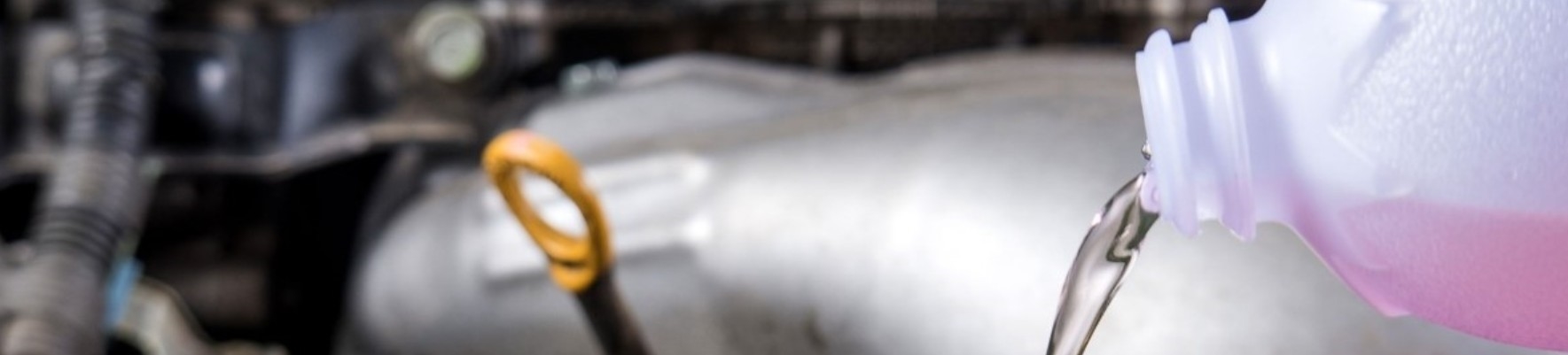
The visual appearance of coolant tells part of the story. Fresh Nissan coolant has a specific color depending on the formula. Coolant that has degraded past its service life often turns brown or rusty, develops a sludgy consistency, or may show floating particles that indicate internal corrosion is already underway. By the time the coolant looks that bad, the damage inside the system has typically been happening for a while.
- Corrosion inhibitors in coolant deplete with age regardless of mileage, leaving metal surfaces unprotected
- Degraded coolant becomes acidic and actively corrodes aluminum engine components, water pumps, and heater cores
- Old coolant loses its precise freeze and boil-over protection thresholds over time
- Mixing incompatible coolant types can cause chemical reactions that create gel deposits and block coolant passages
- Electrolytic corrosion from depleted coolant can pit and damage radiator cores and cause pinhole leaks
A coolant flush removes the old fluid along with the accumulated contaminants and byproducts of that corrosion process, then replaces it with fresh fluid that restores full freeze protection, full heat transfer capacity, and a complete inhibitor package. It is one of the most protective things you can do for an engine's long-term health, and it costs a fraction of what any of the failures it prevents would run.
Why Massachusetts Puts Particular Pressure on Cooling Systems
Living in a climate with genuine temperature extremes means your cooling system never really gets a break. Winter in Wellesley regularly brings overnight lows below ten degrees, and the weeks around January and February can push into single digits or lower. During those stretches, the freeze protection in your coolant is not theoretical — it is the only thing standing between your engine block and a catastrophic freeze crack that would end the vehicle.
Summer in Greater Boston brings a different kind of stress. July and August combine real heat with the kind of stop-and-go commuter traffic that pushes cooling systems hard. An engine sitting in slow traffic on the Massachusetts Turnpike or creeping through a Route 9 backup on a 90-degree afternoon generates substantial heat with minimal airflow through the radiator to help dissipate it. The cooling system under those conditions is working at or near its design limits, and degraded coolant with reduced heat transfer capacity has less margin to absorb and move that heat before temperatures climb into the danger zone.
There is also the spring thaw to consider. Road salt and winter debris get washed through the engine bay during the wet, dirty weeks of March and April. Radiator fins accumulate grime that reduces their ability to exchange heat with ambient air. Hoses and clamps that spent winter contracting in the cold begin to relax, and any micro-crack or soft spot in the rubber that developed over the season may start weeping coolant once the system heats back up.
- Single-digit winter temperatures require coolant that maintains its freeze protection well below the lowest Massachusetts overnight lows
- Summer traffic on Route 9, I-95, and the Pike puts sustained heat load on the cooling system with limited airflow assist
- Seasonal temperature swings cause hoses and clamps to expand and contract repeatedly, accelerating wear over time
- Spring thaw conditions expose radiator and cooling system components to accumulated road salt and debris
- High-humidity summers encourage faster external corrosion on cooling system hardware and connections
A cooling system inspection in the fall before winter arrives and again in the spring before summer traffic season gives your vehicle the best chance of handling both extremes without incident. We check coolant concentration, inspect hoses and clamps, test the thermostat, examine the radiator cap, and look for any signs of leaks or contamination at every cooling system service visit.
Cooling System Services We Offer
Whether your Nissan needs a routine coolant flush, a full system inspection, or a repair to a leaking or failing component, our service team handles it with genuine Nissan parts and thorough attention to the whole system.
Coolant Flush and Fill
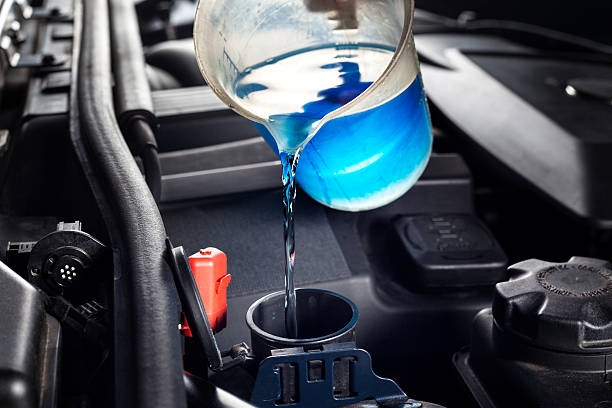
We drain the old coolant, flush the system to remove accumulated contaminants and corrosion byproducts, and refill with genuine Nissan-approved coolant mixed to the correct concentration for Massachusetts temperature ranges. The result is restored freeze protection, full heat transfer capacity, and a fresh inhibitor package protecting your engine's internal components.
Cooling System Inspection
We test coolant concentration and pH, inspect all hoses and clamps for wear, cracking, or soft spots, examine the radiator for damage or blockage, test the radiator cap, and check the thermostat function. You get a full report on the condition of every component in the system, with honest guidance on what needs attention now versus what can be monitored.
Cooling System Repair
From a leaking hose or failed thermostat to a water pump replacement or radiator repair, we handle the full range of cooling system work with OEM-grade parts specific to your Nissan. Every repair includes a system pressure test to confirm the issue is resolved before your vehicle leaves our service drive.
Why the Right Coolant and the Right Technician Both Matter
Not all coolants are the same, and this is not a minor distinction. Nissan vehicles are designed around specific coolant formulas with particular inhibitor chemistries. Using the wrong type — even a coolant that is marketed as universal — can create compatibility issues with your Nissan's aluminum engine components, cause premature inhibitor depletion, or in some cases react with residual coolant in the system and form deposits that restrict flow. We use genuine Nissan-approved coolant on every service because the correct chemistry matters as much as having any coolant in the system at all.
Beyond the fluid itself, cooling system diagnosis requires familiarity with the specific layout and behavior of Nissan's engine cooling architecture. A coolant leak that looks straightforward from the outside is not always straightforward to trace, and a thermostat that tests acceptably at a lower temperature may still be failing to open fully at operating temperature in a way that only shows up with the right equipment and the right knowledge of how the system behaves. Our technicians have both.
- Genuine Nissan-approved coolant with the correct inhibitor chemistry for your vehicle's aluminum components
- Nissan factory-trained technicians who understand your cooling system's specific layout and behavior
- System pressure testing included after every coolant flush and repair to verify integrity
- Full multi-point inspection with every service so related components get checked at the same visit
- Transparent estimates and clear explanations before any work is authorized
An overheating engine is one of the most expensive failures a vehicle can experience. Head gasket repairs, warped cylinder heads, and engine replacements all trace back to cooling system failures that were often preventable with timely maintenance. Keeping the cooling system serviced on schedule — and using the right fluid when it is — is one of the most straightforward long-term investments you can make in your Nissan.
If you are not sure when your coolant was last flushed, or if your temperature gauge has been behaving differently than usual, schedule a cooling system inspection and let us take a look. It does not take long and gives you a clear picture of where things stand.
Visit Us in Wellesley
Independence Nissan of Wellesley is easy to reach from Newton, Needham, Natick, and communities across MetroWest and Greater Boston. Coolant flushes and inspections are straightforward services that most customers wait on-site for, and we will give you a clear time estimate when you check in so the visit fits around your day.
Here is what your visit looks like from arrival to pickup:
- A service advisor who walks you through what we plan to inspect and why before the vehicle goes in
- A comfortable, Wi-Fi-equipped waiting area for customers staying on-site during the service
- Shuttle service and loaner vehicles available for larger repairs that require more time, subject to availability
Find Us on the Map
Cooling System Service for Nissan Drivers Across the Region
Drivers from throughout the greater Boston area and MetroWest trust Independence Nissan of Wellesley with their vehicle's most critical systems. Cooling system service is one of the best investments you can make in your Nissan's longevity, and we are here to make sure it is done correctly every time. We regularly serve drivers from these communities:
- Newton, MA
- Needham, MA
- Natick, MA
- Weston, MA
- Wayland, MA
- Framingham, MA
- Waltham, MA
- Dedham, MA
- Brookline, MA
- Wellesley Hills, MA
No matter where you are coming from, we appreciate the trust you place in our team when you bring your Nissan to us. Every visit gets the same thorough attention, regardless of how large or small the service.
Cooling System Questions, Answered
What drivers around Wellesley and Greater Boston ask us most about coolant service and cooling system health.
Q: How often should coolant be flushed on a Nissan?
Q: My temperature gauge is running higher than normal. Is that a coolant problem?
Q: Can I just top off my coolant instead of doing a full flush?
Q: What is that sweet smell sometimes coming from the engine bay?
Q: Does it matter what color coolant goes into my Nissan?
Q: What other components are part of the cooling system besides coolant?
Have a question about your Nissan's cooling system that we did not cover?
Call our service team or reach out online and we will be happy to help.
Protect Your Engine Before the Season Changes
The cooling system is one of the most consequential things to keep up with on any vehicle, and Massachusetts's climate makes that especially true. An overheating engine or a freeze-damaged block are both avoidable outcomes — and both trace back to coolant that was past its service life or a system that was not inspected when it should have been.
Whether you are due for a routine flush, concerned about something you have noticed with your temperature gauge, or just want peace of mind going into a new season, we are ready to help. Schedule a visit online or call our service team directly, and we will take a thorough look at where your cooling system stands.
We look forward to seeing you at Independence Nissan of Wellesley.
Service Specials


Wild Card