Nissan Transmission Repair in Wellesley, MA

Transmission Repairs Are Among the Most Expensive Things That Can Happen to a Vehicle. Most of Them Are Preventable.
A transmission replacement can run anywhere from several thousand dollars to well over ten thousand depending on the vehicle, and it is one of the repairs that most frequently comes as a genuine shock to the owner. What rarely gets talked about is how often it traces back to deferred fluid service, the wrong fluid type, or a developing problem that was ignored long enough to become a catastrophic one. At Independence Nissan of Wellesley, we handle the full range of transmission services — from routine fluid changes to complete diagnosis and repair — with the Nissan-specific knowledge and factory tools that this system demands more than almost any other on your vehicle.
Nissan's CVT: What It Is, What It Needs, and Why the Fluid Matters So Much
A significant portion of the Nissan lineup uses a Continuously Variable Transmission, better known as a CVT. Rather than shifting between fixed gear ratios like a conventional automatic, a CVT uses a belt and pulley system to continuously vary the drive ratio across an infinite range. The result is smoother acceleration, better fuel efficiency, and a driving experience that feels seamless in normal conditions. It also means the transmission is mechanically more sensitive to fluid condition than a conventional automatic and has specific requirements that no other fluid type can substitute for.
Nissan's CVTs require a proprietary fluid — NS-2 or NS-3 depending on the model and production period — that is formulated specifically for the belt-and-pulley design and the operating pressures involved. This is not a situation where a compatible or universal CVT fluid is an acceptable substitute. The friction characteristics, viscosity profile, and additive package in Nissan's CVT fluid are engineered for the tolerances of their specific transmission. Using a different fluid changes those characteristics, causes friction modifier depletion at a faster rate, and over time accelerates the belt and pulley wear that leads to premature CVT failure. We have seen the result of incorrect fluid use firsthand, and it is a repair that costs far more than the fluid service that would have prevented it.
CVT fluid degrades from heat and accumulated friction byproducts over time, just as engine oil does. Fresh fluid maintains the proper viscosity and friction characteristics that keep the belt operating at the correct tension and the pulleys moving smoothly across their range. Fluid that has broken down loses those properties, which causes the CVT to work harder, run hotter, and wear the components it was designed to protect. The recommended fluid change interval for Nissan CVTs exists for a reason, and in a climate that puts the transmission through genuine cold and heat extremes across a full year, adhering to that interval is one of the most cost-effective maintenance decisions you can make.
- Nissan CVTs require specific proprietary fluid — NS-2 or NS-3 — that cannot be substituted with universal CVT fluid
- Incorrect fluid causes accelerated belt and pulley wear that leads to premature CVT failure
- Degraded CVT fluid loses the friction characteristics that maintain proper belt tension and pulley function
- CVT fluid service at the recommended interval is among the most protective maintenance items for high-mileage Nissan ownership
- Conventional automatic transmission fluid service follows a separate schedule and has its own critical role in transmission longevity
The bottom line is simple: no other single maintenance service does more to protect a Nissan CVT than keeping the correct fluid fresh at the right interval. It costs a fraction of a CVT replacement, it takes less than an hour, and it is the kind of service where the value is most obvious in what it prevents rather than what it fixes.
What New England Driving Does to a Transmission Over Time
Transmission fluid, like engine oil, thickens in cold temperatures. On a January morning in Wellesley when the car has been sitting overnight in single-digit temperatures, the CVT fluid is significantly more viscous than it was designed to operate at. The transmission needs to warm up before it reaches its optimal operating range, and driving aggressively before that warm-up period is complete puts stress on components that are not yet fully lubricated at their intended fluid viscosity.
Many Nissan CVT owners in New England are familiar with a behavior that occurs on cold mornings — a shuddering, hesitation, or unusual noise during the first few minutes of driving before the transmission warms up. This is related to the fluid temperature and is generally a normal characteristic of a CVT operating in cold conditions. What makes it worth paying attention to is that this behavior becomes more pronounced as the fluid ages and loses its cold-flow characteristics, and it can become a sign of a developing issue if it persists longer than the warm-up period or begins occurring at normal operating temperature.
Stop-and-go commuter driving adds a heat load to the equation. Repeated acceleration and deceleration cycles in heavy traffic generate more transmission heat than steady highway driving, and a transmission that spends most of its working life in Route 9 rush hour or the regular backups around I-95 runs hotter on average than one used for highway commuting. Heat accelerates fluid degradation, and fluid that degrades faster than the service interval accounts for is a transmission that is running on inadequate protection without the owner realizing it.
- Cold temperatures thicken CVT fluid, increasing stress during the warm-up period on winter mornings
- Cold start shuddering or hesitation that persists beyond warm-up may indicate fluid degradation or a developing concern
- Stop-and-go commuter traffic generates more transmission heat than highway driving, accelerating fluid breakdown
- Road salt infiltration around transmission seals and pan gaskets can cause fluid contamination and leaks over time
- Seasonal temperature swings between New England winters and summers put the transmission through a wider operating range than milder climates
Recognizing the warning signs of transmission trouble early is the other side of the prevention equation. A transmission that is slipping between ratios, engaging with a delay when shifted from park, shuddering during normal operation, producing a burning smell, or showing a warning light on the dashboard is communicating that something needs attention. Each of those signals has a range of possible causes, some minor and some serious, and accurate diagnosis is what determines whether a fluid service resolves the issue or whether more involved repair is needed.
Transmission Services We Offer
From a routine CVT fluid change to a full transmission diagnostic and repair, our service team handles every scope of transmission work with the Nissan-specific expertise it requires.
CVT Fluid Service
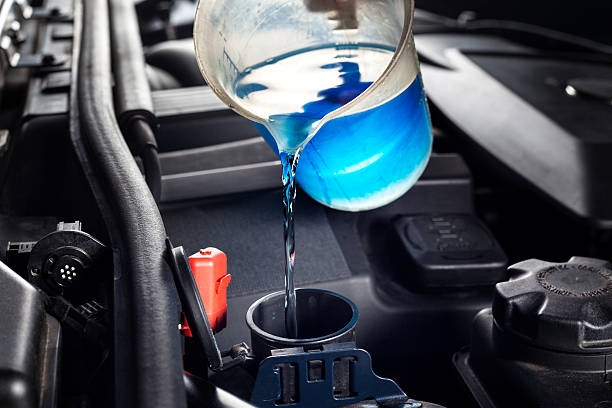
We drain the old CVT fluid and refill with genuine Nissan NS-2 or NS-3 CVT fluid — the correct proprietary formula for your specific model. No substitutions, no universal fluid, no guesswork about compatibility. This is the single most protective routine maintenance service available for a Nissan CVT, and we perform it to Nissan's exact specification every time.
Automatic Transmission Fluid Service
For Nissan models equipped with a conventional automatic transmission, we service the transmission fluid on the manufacturer's recommended schedule using the correct fluid specification for your vehicle. We inspect the pan, filter, and gasket condition during the service and note any metal particulate in the old fluid that may indicate internal wear requiring further evaluation.
Transmission Diagnosis and Repair
When symptoms point to a mechanical or electronic transmission problem beyond fluid condition, we use Nissan factory diagnostic tools to retrieve transmission-specific fault codes, analyze live operational data, and identify the root cause before any repair is recommended. You receive a written diagnosis and a clear estimate before any work begins, with no obligation to proceed on the spot.
Why Transmission Work on a Nissan Requires a Nissan Specialist
The argument for dealership service is strongest on the systems with the highest cost consequences for getting something wrong, and the transmission sits at the top of that list. An independent shop with a general transmission background may be skilled at conventional automatics but unfamiliar with the specific engineering of Nissan's CVT — the fluid requirements, the calibration procedures, the known technical service bulletins for particular models, and the diagnostic software needed to read transmission-specific fault data that a generic scan tool cannot access.
Nissan's factory diagnostic system communicates with the transmission control module in ways that reveal operational data no aftermarket scanner reaches. Torque converter lockup behavior, clutch engagement patterns, belt slip ratios, solenoid operation — our technicians can observe all of these in real time during a road test and compare them against known specifications for your exact model. That level of diagnostic depth is what separates an accurate transmission diagnosis from a parts-replacement attempt based on symptoms alone.
- Factory-trained Nissan technicians with specific CVT and automatic transmission expertise
- Genuine Nissan proprietary fluids used exclusively — NS-2 and NS-3 CVT fluid, correct ATF specification for automatic models
- Nissan factory diagnostic tools accessing transmission-specific fault codes and live operational data
- Access to Nissan technical service bulletins covering known transmission issues by model and production period
- Written diagnosis and estimate provided before any repair work is authorized
There is also an important point about warranty and service history. Transmission work performed at a Nissan dealership is recorded to your vehicle's service record and performed to factory standards. For vehicles still within their powertrain warranty coverage, having transmission service performed correctly and documented matters. For high-mileage vehicles outside of warranty, having a complete and accurate service record is valuable when evaluating the vehicle's long-term condition.
If your Nissan has never had its CVT or transmission fluid serviced, or if you have noticed any of the symptoms that point toward a transmission concern, schedule an appointment and let our team assess where things stand. Finding out early is always better than finding out when the vehicle stops moving.
Visit Independence Nissan of Wellesley
Our service center is accessible from communities throughout MetroWest and Greater Boston, and we handle transmission services of every scope from routine fluid changes to complex repair work. CVT fluid services are typically completed in under an hour. Transmission diagnostic appointments are scheduled with enough dedicated time to do the job properly, and we will give you a realistic timeline at check-in.
When you arrive for a transmission service appointment:
- A service advisor will walk through the symptoms you have experienced and the vehicle's service history before the diagnostic begins
- A comfortable waiting area with Wi-Fi is available for customers staying on-site
- Loaner vehicles and shuttle service are available for longer repair appointments, subject to availability
Find Us on the Map
Transmission Service for Nissan Drivers Across Greater Boston
Transmission concerns are among the most stressful things a driver can face, and getting accurate answers from people who know the system is what makes the difference between a manageable repair and an unnecessary replacement. Nissan owners from across MetroWest and Greater Boston trust Independence Nissan of Wellesley with transmission service because we know these vehicles specifically. We regularly serve drivers from these communities:
- Newton, MA
- Needham, MA
- Natick, MA
- Weston, MA
- Wayland, MA
- Framingham, MA
- Waltham, MA
- Dedham, MA
- Brookline, MA
- Wellesley Hills, MA
No matter where you are driving in from, our commitment is the same: an honest diagnosis, the right repair, and service performed to the standard your Nissan deserves.
Transmission Questions, Answered
What Nissan drivers around Wellesley and Greater Boston ask us most about transmission service, CVTs, and what the warning signs actually mean.
Q: How often should CVT fluid be changed on a Nissan?
Q: My Nissan shudders or hesitates when I first start driving on cold mornings. Is that a transmission problem?
Q: Can I use any CVT fluid in my Nissan or does it have to be Nissan brand?
Q: What are the early warning signs that a transmission needs attention?
Q: Is a transmission flush better than a drain and fill?
Q: My transmission warning light is on. Can I still drive the vehicle?
Concerned about something your transmission is doing that we did not cover here?
Call our service department and describe what you are experiencing. We can help you understand what it likely means before you come in.
Protect Your Transmission Before a Small Issue Becomes a Large One
Transmission repairs are among the most expensive outcomes in vehicle ownership, and the most frustrating part is that most of them are traceable to maintenance that was either skipped or done incorrectly. A CVT fluid service costs a fraction of a CVT replacement. A transmission diagnostic that catches a developing solenoid or sensor issue costs far less than the damage that develops when the same issue goes unaddressed for another 10,000 miles.
If your Nissan has never had its CVT fluid serviced, if you have noticed a shudder, slip, or delay that was not there before, or if a warning light has come on, our transmission service team is ready to give you a clear picture of where things stand and what needs to happen next.
Schedule online or call our service department directly. We look forward to seeing you at Independence Nissan of Wellesley.
Service Specials



Wild Card